


From a childhood battle with polio to King of the English Channel (1979 – 2005) with 33 crossings to date, Olympic selection, and an MBE. Michael Read has spent seven decades proving that it is never too late to begin, and never time to stop.
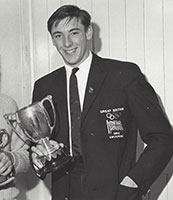
There are moments in life that arrive like a bolt from nowhere and change everything. For Michael Read, that moment came during a school assembly. A prefect named Neil Tasker had been selected to swim for Great Britain. The boy next to Michael pointed him out. “He looks no different from anybody else,” Michael thought. “If he can swim for Great Britain, I’m quite certain I can.”
It was an act of quiet, private audacity. Michael joined Brighton Swimming Club that same week. Within five years, he was selected for the start line at the 1960 Rome Olympics.
He is now 80 years old. He still swims five days a week.
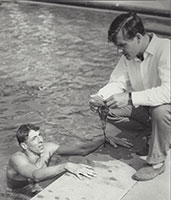
The beginning — a sport that changed everything
Michael’s relationship with physical activity did not begin well. He caught polio at the age of five and spent the next seven years at boarding school resting in bed every afternoon while other children played football and cricket. When he moved to grammar school, he was also asthmatic — the very thought of PE was enough to trigger an attack.
Then came Neil Tasker, and everything changed. What Michael found in the swimming pool was not just fitness, but identity. He progressed from club champion to county champion, regional champion, and finally the GB Olympic team. No one pressured him. There was no rigid coaching regime. There was only the water, and the quiet fire he had lit himself.
“No one ever put any pressure on me to do better. The only pressure came from myself. I swam for the sheer enjoyment of swimming — and I still do exactly the same.”
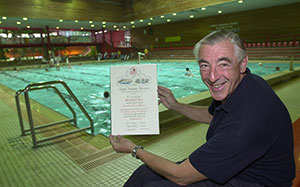
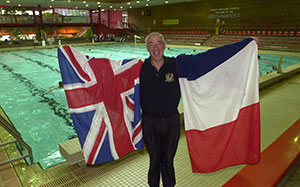
Pushing further — from the pool to the open water
After returning from Rome, Michael found himself losing his edge over shorter distances. Rather than giving up, he simply moved further out. First 800 metres, then 1500, then three miles, five, and eventually ten and a half — until he found himself in the wild lochs of Scotland and the grey waters of the English Channel.
Much of this was guided by Dennis Sullivan, Chieftain of Ye Amphibious Ancient Bathing Association in Broughty Ferry — a group of hardened open-water swimmers with an insatiable appetite for new challenges. Over six years, Sullivan led Michael through a series of pioneering firsts: the first three-way crossing of Lake Windermere, a four-way crossing, Loch Earn, Loch Rannoch, Loch Tay, and Perth to Broughty Ferry. Meanwhile, Michael was completing at least one English Channel crossing every year.
“Setting goals into the unknown is certainly character building,” he reflects. “When you do something that a few days earlier seemed unimaginable, nothing seems impossible.”
What sport gives back — more than fitness
Ask Michael what swimming has given him and the list is long: confidence, physical and mental endurance, lifelong friendships, the chance to travel the world, and the opportunity to inspire others.
He is clear that sport is never a solitary endeavour. “We talk about the loneliness of the long-distance swimmer,” he says, “but this in reality is total nonsense. It doesn’t matter what swim you take part in — there are always a large number of people needed to make it happen.” He urges anyone considering walking away from their sport to instead step into its administration. “The more you put in, the more you will get out.”
“It’s a funny thing — the harder I practise, the luckier I become.”
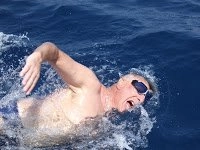
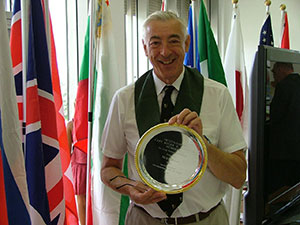
Masters Games — Abu Dhabi and the art of competing late in life
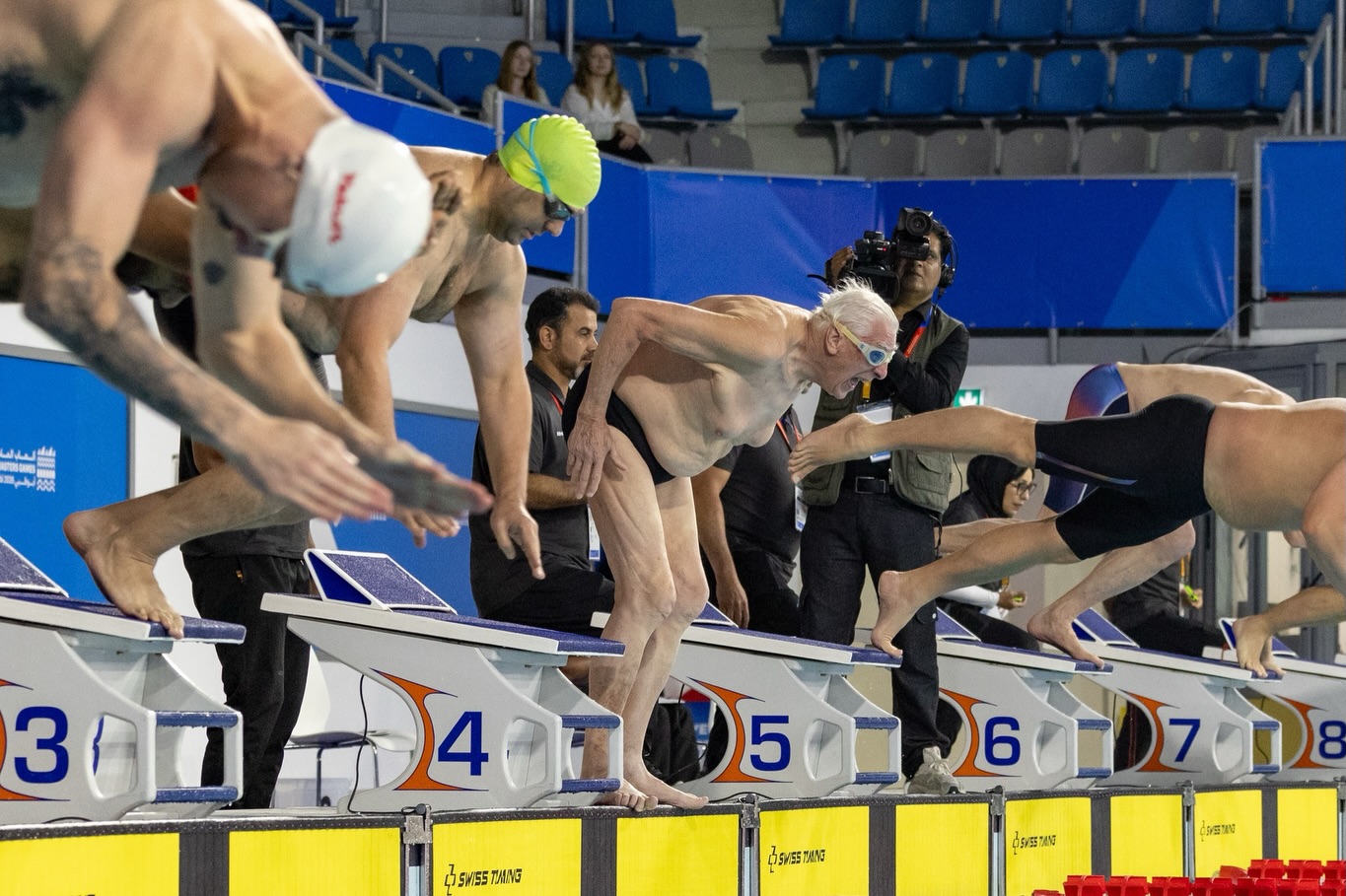
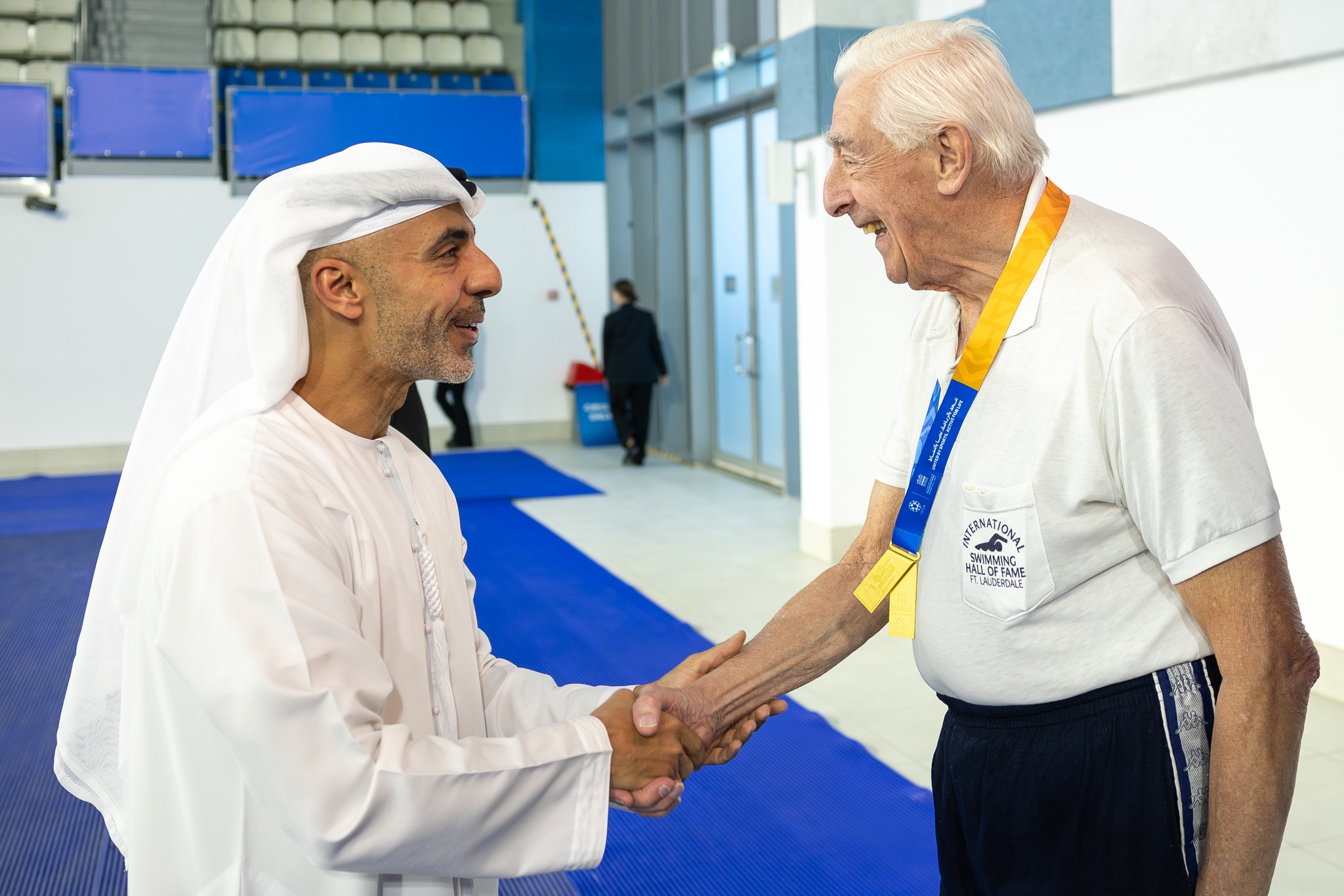
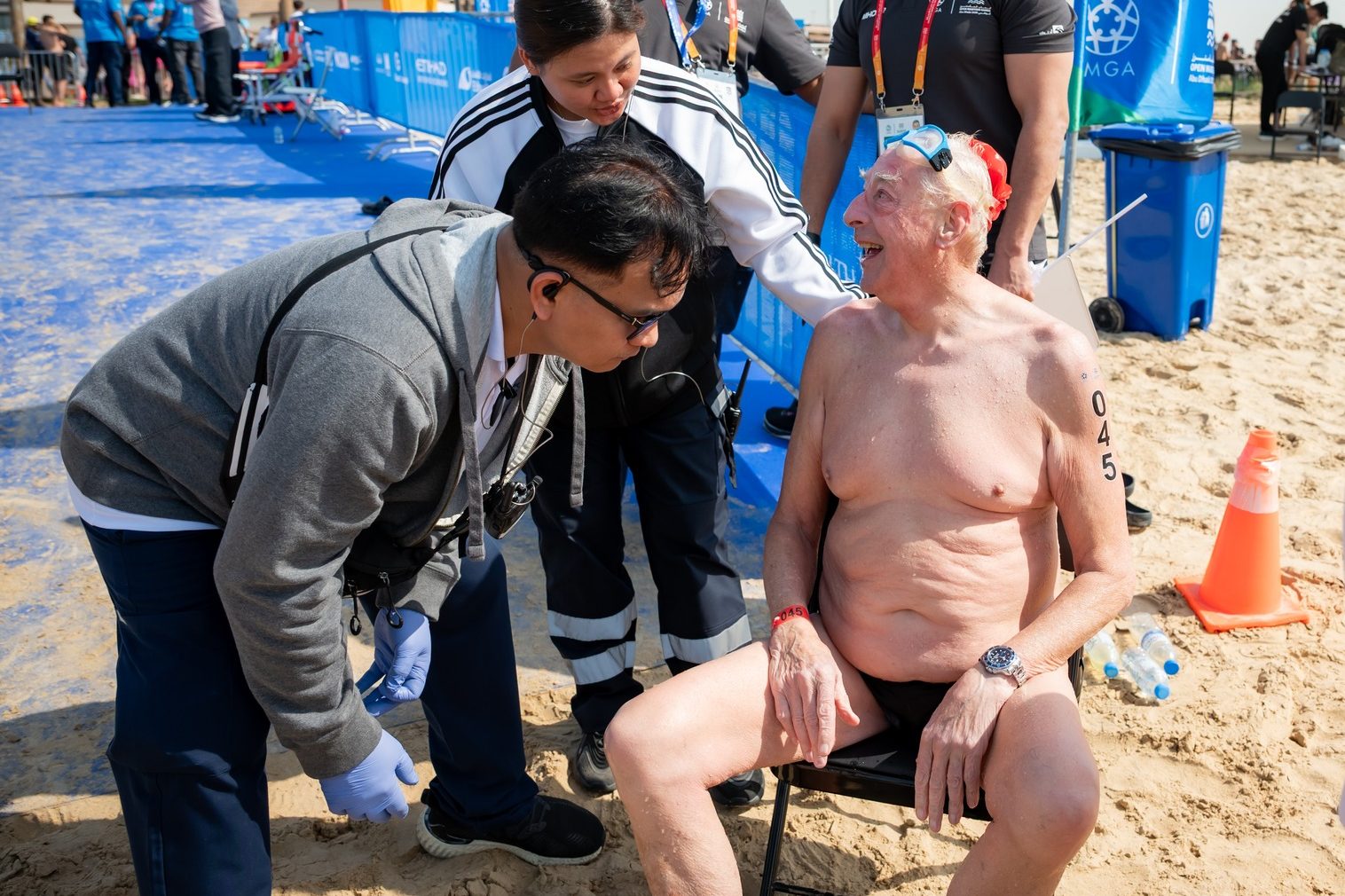
Most recently, Michael competed at the Open Masters Games in Abu Dhabi. The competition brought its usual pressures. “There are always the external expectations, not to mention the internal stress and one’s reputation. It’s all on you. My decision. My risk. My burden — and it doesn’t sit lightly.”
But what stays with him most is not the racing. It is the people. At the event, he met a man from the Abu Dhabi National Oil Company who had entered the 800-metre swimming competition and came third in the world.
“Never mind how proud he must have felt of himself — I cannot imagine the reception he would have got when he returned to the office. I constantly remind myself that you have to be in it to win it, and that it is better to have larger dreams than smaller ones.”
Between sessions, Michael hired a car and explored — a butterfly farm he describes as “amazing,” an aquarium that was “incredible,” and the Emirates Palace hotel, where he indulged in a coffee adorned with gold leaf. He got lost more than once, and counts those detours among his favourite moments — strangers guiding him across cities, families welcoming him in off the road with coffee and fresh figs. “How else,” he asks, “does anyone get such wonderful experiences?”
It is never too late
Michael has served on swimming committees since he was 16. He has been a FINA judge, timekeeper, referee, and administrator across multiple bodies. He became President of the Channel Swimming Association in 2007, and was awarded an MBE in January 2012 for services to swimming.
But the message he returns to, again and again, is simple: start.
“It is never too late to take up any sport or any form of exercise. But I would also say — the sooner you take it up, the better for your health and your mental well-being. You may even discover that you’re good at it.”
He began swimming in spite of polio, asthma, and a childhood that offered him no sport at all. He has crossed the English Channel, pioneered open-water routes across Scottish lochs, and competed at world and European Masters Games. He does not plan to stop.
Five mornings a week, Michael Read goes to the pool. He gets out of the house. He meets people. He swims.